
Tuesday, December 3, 2013

Wednesday, November 27, 2013
Having a mindful Thanksgiving holiday
They say the highest form of knowing is teaching, here is my attempt to teach.
This Thanksgiving, go into it with "beginner's mind". Embrace the unknown, enjoy the time with those around you, and savor the sensations this holiday brings.
Mindfulness is a way to be compassionate and let go. Don't cling to any expectations, for attachments will bring suffering. Don't get caught up in the rush, remember we are human beings not human doings.

Loving and kindness make these holidays special. Try a loving/kindness meditation toward those family members that perhaps "get under your skin". The purpose of practicing mindfulness is to grow compassion.
Practice: Loving/Kindness Meditation
First, you can't express love and kindness if you aren't kind and loving to yourself.
Repeat this 3 times to yourself. Breathe after each statement.
May I be safe.
May I be happy.
May I be healthy.
May I live with ease.
After you truly mean these words to yourself, expand your awareness outward, and toward the specific family member you wish to show love.
May you be safe.
May you be happy.
May you be healthy.
May you live with ease.
End the meditation by giving thanks for this person, for the lessons they teach you (whether you are aware of them or not) and for the time you still have together.
May this Thanksgiving be one of gratitude, compassion, and love. Don't set a narrative that you believe the day should follow (as this will lead to suffering). Embrace the unknown, hold a "beginner's mind", and mindfully embrace the day for what it is.
Thank you for reading, have a fun and safe holiday!
-Mitch S.
This Thanksgiving, go into it with "beginner's mind". Embrace the unknown, enjoy the time with those around you, and savor the sensations this holiday brings.
Mindfulness is a way to be compassionate and let go. Don't cling to any expectations, for attachments will bring suffering. Don't get caught up in the rush, remember we are human beings not human doings.
Practice: Loving/Kindness Meditation
First, you can't express love and kindness if you aren't kind and loving to yourself.
Repeat this 3 times to yourself. Breathe after each statement.
May I be safe.
May I be happy.
May I be healthy.
May I live with ease.
After you truly mean these words to yourself, expand your awareness outward, and toward the specific family member you wish to show love.
May you be safe.
May you be happy.
May you be healthy.
May you live with ease.
End the meditation by giving thanks for this person, for the lessons they teach you (whether you are aware of them or not) and for the time you still have together.
May this Thanksgiving be one of gratitude, compassion, and love. Don't set a narrative that you believe the day should follow (as this will lead to suffering). Embrace the unknown, hold a "beginner's mind", and mindfully embrace the day for what it is.
Thank you for reading, have a fun and safe holiday!
-Mitch S.
Monday, November 18, 2013
Combat depression with mindfulness
Depression is the most costly problem to America. It hinders our productivity, creativity, resilience and problem-solving. Also, depression doesn't feel good, and can turn into a difficult cycle of relapse and recurrence.
Also, what is with the stigma?
I guarantee you know at least one person, and probably many more that either are undiagnosed with depression, or don't discuss their depression. People are afraid to "come out" and seek help. It is as though our society has accepted people being physically ill, but any illness to the mind is something that has become taboo. This is unfortunate, but unless we start really being open and creating more dialogue about depression, the stigma will remain, and the subject will be quietly swept under the rug.
This post will attempt to put depression in new light, and teach you how mindfulness can help.

Depression is the "common cold" of our mental health.
But before any misconceptions arise, here is a working definition from the website www.getselfhelp.co.uk
Depression is more than just sadness. People with depression may experience a lack of interese and pleasure in daily activities, significant weight loss or gain, insomnia or excessive sleeping, lack of energy, inability to concentrate, feelings of worthlessness or excessive guild and recurrent thoughts of death or suicide.
Here is the good news: It is treatable.
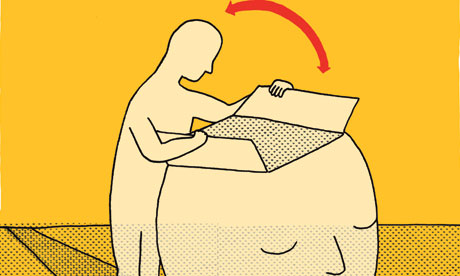 The tool I am going to teach you about through this post is Mindfulness Based Cognitive Therapy (MBCT)
As you may remember from a recent post, mindfulness is the waking up to the present moment. It is the alert attention of the "now" and not dwelling on the past or worrying about the future.
Ronald Siegel's quote helps explain how this can apply to help those struggling with depression or anxiety “Boredom disappears as we awaken to the rich complexity of each moment. Everything becomes alive as our attention moves out of our thoughts about living and toward noticing how it actually feels to walk, stand, sit, or drive”

MBCT- Therapy that helps patients reduce relapse and recurrence of depressive episodes. To help patients come to peace with the moment. To encounter situations with a choice. To meet their stressors with an array of coping mechanisms, and to function more optimally in all environments.
Takeaway:
Using mindfulness to cope with negative experiences
We can use mindfulness even in times of intense distress, by becoming mindful of the actual experience as an objective observer, using mindful breathing and concentrating attention on breathing with the body's experience, listening to the distressing thoughts mindfully, recognizing them as merely thoughts, breathing with them, allowing them to happen without believing them or arguing with them. If thoughts are too strong or loud, then we can move attention to our breath, the body, or to sounds in the environment.
We can use kindness and compassion for ourselves and for the elements of the body and mind's experience. "May I be filled with peace and ease. May I be safe" (Brantley 2003).

Have a wonderful day
-Mitch S.
Contact me with questions, concerns, or any thoughts you have
Mitchellsnyder9@gmail.com
@Wellness_Gems
Other Sources to Help Those in Need
http://www.mbct.com/
http://www.getselfhelp.co.uk/mindfulness.htm **my personal favorite**
http://en.wikipedia.org/wiki/Mindfulness-based_cognitive_therapy
http://en.wikipedia.org/wiki/Mindfulness-based_stress_reduction
Also, what is with the stigma?
I guarantee you know at least one person, and probably many more that either are undiagnosed with depression, or don't discuss their depression. People are afraid to "come out" and seek help. It is as though our society has accepted people being physically ill, but any illness to the mind is something that has become taboo. This is unfortunate, but unless we start really being open and creating more dialogue about depression, the stigma will remain, and the subject will be quietly swept under the rug.
This post will attempt to put depression in new light, and teach you how mindfulness can help.
Depression is the "common cold" of our mental health.
But before any misconceptions arise, here is a working definition from the website www.getselfhelp.co.uk
Depression is more than just sadness. People with depression may experience a lack of interese and pleasure in daily activities, significant weight loss or gain, insomnia or excessive sleeping, lack of energy, inability to concentrate, feelings of worthlessness or excessive guild and recurrent thoughts of death or suicide.
Here is the good news: It is treatable.
- Exercise has been repeatedly proved to be an effective way to combat depression.
- A social support network is also very crucial to helping those suffering from depression.
- Medication can also help balance the chemicals in the brain, but I don't recommend starting an anti-depressant without serious consultation with multiple professional health workers.
The tool I am going to teach you about through this post is Mindfulness Based Cognitive Therapy (MBCT)As you may remember from a recent post, mindfulness is the waking up to the present moment. It is the alert attention of the "now" and not dwelling on the past or worrying about the future.
Ronald Siegel's quote helps explain how this can apply to help those struggling with depression or anxiety “Boredom disappears as we awaken to the rich complexity of each moment. Everything becomes alive as our attention moves out of our thoughts about living and toward noticing how it actually feels to walk, stand, sit, or drive”
MBCT- Therapy that helps patients reduce relapse and recurrence of depressive episodes. To help patients come to peace with the moment. To encounter situations with a choice. To meet their stressors with an array of coping mechanisms, and to function more optimally in all environments.
Takeaway:
Using mindfulness to cope with negative experiences
We can use mindfulness even in times of intense distress, by becoming mindful of the actual experience as an objective observer, using mindful breathing and concentrating attention on breathing with the body's experience, listening to the distressing thoughts mindfully, recognizing them as merely thoughts, breathing with them, allowing them to happen without believing them or arguing with them. If thoughts are too strong or loud, then we can move attention to our breath, the body, or to sounds in the environment.
We can use kindness and compassion for ourselves and for the elements of the body and mind's experience. "May I be filled with peace and ease. May I be safe" (Brantley 2003).
Have a wonderful day
-Mitch S.
Contact me with questions, concerns, or any thoughts you have
Mitchellsnyder9@gmail.com
@Wellness_Gems
Other Sources to Help Those in Need
http://www.mbct.com/
http://www.getselfhelp.co.uk/mindfulness.htm **my personal favorite**
http://en.wikipedia.org/wiki/Mindfulness-based_cognitive_therapy
http://en.wikipedia.org/wiki/Mindfulness-based_stress_reduction
Wednesday, November 13, 2013
Maximizing versus satisfying
According to a 1999 survey by Public Agenda, the most important problem facing today's youth is "not learning values". This trumped drugs and violence.
But HOW do we value?
Satisficer: Content with making a choice that is good enough.

Is it possible to better understand how the human mind values? You bet.
Will it relate to our psychological well-being? You bet.
Maximizing versus satisfying is the topic at hand. Barry Schwartz's research starting in 2002 provided the groundwork. Are you a maximizer or satisficer?
Maximizer: Optimize their choice, ensure that they made the best choice they could have.
Satisficer: Content with making a choice that is good enough.
The author of this research first noticed this issue when he was shopping for jeans. He remembered that 'back in the day' there was one kind, and you would buy it, break them in, and wear them until you needed a new pair. He now noticed that there are so many styles, and so many colors of jeans, that the experience was overwhelming. Sure he had more options to choose from, but he noticed that he felt worse after leaving the store, because he wasn't sure if he had made the "right choice".
This is the paradox of living in our day and age. We have the urge to get the best product out there (especially when our kid's become involved) . Barry Schwartz and I both urge you to STOP WHEN IT IS GOOD ENOUGH.
You will drive yourself crazy trying to get the perfect baby stroller. It is much better to get a 'good enough' stroller, and to have happy/relaxed parents, then to be worked up over whether or not you found the best one.
Points to take away:
- Only be a maximizer when it REALLY matters.
- Choose when to choose.
- Welcome the constraints that are imposed by relationships and commitments.
- Make sure your expectations are realistic.
Not all of us are always maximizers, or always satisficers, but I encourage you to notice which one you lean toward. Do your best to limit your option intake, and to be content when you realize your needs will be met.
Have a wonderful day
-Mitch S.
Monday, November 4, 2013
Character Strengths
Psychology is not just about identifying and diagnosing the problems you have, it is an incredibly diverse and expansive field that has developed research regarding strengths and virtues, and how crucial these are to our lives.


The VIA institute on character has developed a survey that can truly help you understand your strengths of character.
Yes, you do have to create an account (literally can take less than 1 minute).
The survey portion will take 10-30 minutes.
If you are too busy today, please bookmark the page and try this. It is equally as valuable as the Myers-Briggs, or other personality surveys. It is fascinating to see the top 3-5 strengths you have, and to see their interaction in how they play out in your life.
There are 6 core virtues
1. Wisdom
2. Courage
3. Humanity
4. Justice
5. Temperance
6. Transcendence
There are then 24 specific "character strengths" that stem from these 6 core virtues.
Wisdom
Curiosity (novelty-seeking, interest)
Creativity (ingenuity)
Open-Mindedness
Love of Learning
Perspective
Courage
Vitality (zest, energy, vigot, enthusiasm)
Bravery
Persistence
Integrity (authenticity, honesty)
Humanity
Love
Kindness (nurturance, generosity)
Social Intelligence
Justice
Citizenship (loyalty, teamwork, responsibility)
Fairness
Leadership
Temperance
Humility
Forgiveness
Prudence
Self-Regulation (self-control)
Transcendence
Appreciation of Beauty & Excellence
Gratitude
Hope (future-mindedness)
Humor (playfulness)
Spirituality (purpose, faith)
From the research, it was found that Gratitude, Curiosity, Zest, Hope and Love have the greatest correlation with life satisfaction
It was also found that humility and prudence negatively correlate with happiness
I encourage you to at least identify 3 strengths you have from the list shown above, as well as 3 strengths you could work on this upcoming week
Isn't it funny how hard it can be to talk positively about ourselves? When was the last time you really felt proud and confident in yourself? Taking this survey (or at least consciously looking through this list) will work to restructure the way you view yourself (now that is some re-cognition).
Thanks for reading
-Mitch S.
Tuesday, October 29, 2013
Mindfulness Overview
The past can be depressing, and the future can make us anxious...
This week's post will enlighten us on how to suffer less, by thoroughly experiencing the present moment as it is.
Mindfulness is an idea that is rooted in Eastern philosophy and the Buddha.

Buddha means "one who is awake".

Isn't it funny, we spend time daydreaming of where we would rather be. When the free-time does come around, our thoughts may become consumed by the work we have done or will do.

This week, notice your awareness. If you notice you are practicing mindlessness, gently remind yourself that it is okay, and accept the present moment for what it is.
Next time I will explain the empirical evidence for why mindfulness matters, and how it actually changes our health and well-being.
Until then, thank you for reading
-Mitch S.
This week's post will enlighten us on how to suffer less, by thoroughly experiencing the present moment as it is.
Mindfulness is an idea that is rooted in Eastern philosophy and the Buddha.
Buddha means "one who is awake".
“Intelligence is the door to freedom and alert attention is the mother of intelligence.”
- Jon Kabat-Zinn
This quote shows us to a new understanding of what intelligence is. He implies that alert attention is the base, which will in turn allow intelligence to rise, and freedom to flourish.
So why does this matter?
Though many have heard the ideas of awareness and attention, our society is not conducive to these phenomena. Simple awareness, being still and accepting, these are traits that are not revered in the system which we live. Rather, we live in a time where fast-pace culture eludes to mindlessness.
The paradigm shift toward mindfulness opens doors to a delightful experience, where harmony may flow, and true freedom may be known.
What mindfulness is NOT
- Not a mind free of thought
- Not transcending emotion
- Not escaping pleasure or pain
- Not conversion to a new religion
Isn't it funny, we spend time daydreaming of where we would rather be. When the free-time does come around, our thoughts may become consumed by the work we have done or will do.
“Our incessant drive to seek out pleasure and avoid discomfort leaves us toppling forward toward what we imagine will be a better next moment. Bizarrely, this leaves us hurrying toward death, missing out on the moments that we’re actually alive”
-Ronald Siegel (author of The Mindfulness Solution)
This week, notice your awareness. If you notice you are practicing mindlessness, gently remind yourself that it is okay, and accept the present moment for what it is.
Next time I will explain the empirical evidence for why mindfulness matters, and how it actually changes our health and well-being.
Until then, thank you for reading
-Mitch S.
Saturday, October 26, 2013
Sleep
How many hours of sleep do you aim to get each night? 8 hours? 6 hours? just some? Basically, from what I am learning from class and psychological research, we are not doing it right.
Those who get only 6 hours are 9x more likely to experience depression and 17x more likely to experience anxiety.
Woah, if that doesn't say something about the intercorrelation between well-being and establishing a sleep cycle I don't know what does.
Look at this quote taken from the article "The Rhythm of Rest and Exercise" by Russel G. Foster and Katharina Wulff.
back the clock’ and ‘the 24/7 genie will not
difference between existing and living.
So how about some applicable advise to stop this coping, and getting back to actually living.
Below is a picture of what 8 hours of an uninterrupted sleep cycle should look like
 If done properly, the deep sleep will help restore your brain, and literally wash out toxins that develop over the course of waking life. By the end, the REM sleep cycle will ideally establish and pull us out of sleep and into waking life.
THE PROBLEM WITH SNOOZE
Wake up feeling tired, prolonging the act of getting up will just make it worse. If you are groggy and press snooze, you literally are letting your body restart the cycle of falling back into deep sleep. Usually a cycle takes 90 minutes, so unless you have that time, I don't suggest snoozing.
Flip on a light, stretch your arms or sit up. Do anything you can to prevent going back to that deep sleep (easier said than done) but you will be thankful you did.
My last bit of advice is to check out an app that is truly changing my sleep behavior.

for $2 in the App Store, this app will give you detailed graphs each night recording your movement and the different stages of sleep you undergo. The more I use it, the more I develop a routine, the better I feel (most days). I strongly recommend this app.
If you take nothing away from this, please just remember that you need to aim for 8 hours of actually being asleep each night. It is very hard to do right away, and you will likely experience sleep debt. If you commit and make it through the first few days, an established sleep cycle makes you feel amazing.
Thanks for reading,
-Mitch S.
Those who get only 6 hours are 9x more likely to experience depression and 17x more likely to experience anxiety.
Woah, if that doesn't say something about the intercorrelation between well-being and establishing a sleep cycle I don't know what does.
Look at this quote taken from the article "The Rhythm of Rest and Exercise" by Russel G. Foster and Katharina Wulff.
We cannot ‘turn
back the clock’ and ‘the 24/7 genie will not
return to its bottle’ have become the mantra of
society, and, as a result, many believe that we
have no alternative but to wage total war on
the night. It seems likely that technology will
help us to cope with 24/7. But is coping really
living? In one sense it might not matter that
much, as many of us will become so numb
that we will no longer be able to appreciate the
difference between existing and living.
So how about some applicable advise to stop this coping, and getting back to actually living.
Below is a picture of what 8 hours of an uninterrupted sleep cycle should look like
THE PROBLEM WITH SNOOZE
Wake up feeling tired, prolonging the act of getting up will just make it worse. If you are groggy and press snooze, you literally are letting your body restart the cycle of falling back into deep sleep. Usually a cycle takes 90 minutes, so unless you have that time, I don't suggest snoozing.
Flip on a light, stretch your arms or sit up. Do anything you can to prevent going back to that deep sleep (easier said than done) but you will be thankful you did.
My last bit of advice is to check out an app that is truly changing my sleep behavior.
for $2 in the App Store, this app will give you detailed graphs each night recording your movement and the different stages of sleep you undergo. The more I use it, the more I develop a routine, the better I feel (most days). I strongly recommend this app.
If you take nothing away from this, please just remember that you need to aim for 8 hours of actually being asleep each night. It is very hard to do right away, and you will likely experience sleep debt. If you commit and make it through the first few days, an established sleep cycle makes you feel amazing.
Thanks for reading,
-Mitch S.
Monday, October 14, 2013
How to eat: fats
How should we eat??
We should balance our intake of carbohydrates, proteins and fats
There is a lot of uncertainty with what types of fats are good and bad. This post will convince you to eat more fats, hopefully the healthy kind.
Fats: Fats play a huge role in your well-being. The unsaturated fats are ones that will help your heart, cholesterol, weight control, and overall wellness.

Good fats to include in a meal:
Oils: olive, peanut, sesame, sunflower, soybean
Avocados
Olives
Nuts: almonds, peanuts, macadamia, hazelnuts, pecans, cashews
Peanut Butter
Sunflower, sesame, pumpkin and flax seed
Tofu
Fatty fish: salmon, tuna, mackerel, trout, sardines
Yogurt
**There have to be at least 2 things on this list you could get the next time you grocery shop.**

Advice: don't cook with oil above level 6 heat on your stove, you will chemically alter the good fat into a less healthy alternative.
 Practical takeaways:
Cook with olive oil rather than butter
Try eating avocados, they are loaded with fats that help the heart and brain

Instead of a granola bar, pack a snack of nuts, but be mindful of the ingredients (should just contain un-roasted nuts)

The ingredients on the peanut butter you are using should just be peanuts (and maybe salt)
Easy on the salad dressing, there are so many bad ingredients in it for you!
.. maybe you could make your own!
Avoid the trans fats, which are usually found in: baked goods, fried foods, snack food (chips, popcorn and candy), pre-mixed products (pancake, cake, drink mixes), and solid fats like stick margarine
Take the challenge and eat more unsaturated fats this week. Notice how much longer you stay full, how much less cranky you feel, and how much more energy you have.
Follow on Twitter: @Wellness_Gems
We should balance our intake of carbohydrates, proteins and fats
There is a lot of uncertainty with what types of fats are good and bad. This post will convince you to eat more fats, hopefully the healthy kind.
Fats: Fats play a huge role in your well-being. The unsaturated fats are ones that will help your heart, cholesterol, weight control, and overall wellness.
Good fats to include in a meal:
Oils: olive, peanut, sesame, sunflower, soybean
Avocados
Olives
Nuts: almonds, peanuts, macadamia, hazelnuts, pecans, cashews
Peanut Butter
Sunflower, sesame, pumpkin and flax seed
Tofu
Fatty fish: salmon, tuna, mackerel, trout, sardines
Yogurt
**There have to be at least 2 things on this list you could get the next time you grocery shop.**
^Get her some fats^
Advice: don't cook with oil above level 6 heat on your stove, you will chemically alter the good fat into a less healthy alternative.
Cook with olive oil rather than butter
Try eating avocados, they are loaded with fats that help the heart and brain
Instead of a granola bar, pack a snack of nuts, but be mindful of the ingredients (should just contain un-roasted nuts)
The ingredients on the peanut butter you are using should just be peanuts (and maybe salt)
Easy on the salad dressing, there are so many bad ingredients in it for you!
.. maybe you could make your own!
Avoid the trans fats, which are usually found in: baked goods, fried foods, snack food (chips, popcorn and candy), pre-mixed products (pancake, cake, drink mixes), and solid fats like stick margarine
Take the challenge and eat more unsaturated fats this week. Notice how much longer you stay full, how much less cranky you feel, and how much more energy you have.
Thank you for reading,
Mitch S.
Follow on Twitter: @Wellness_Gems
Monday, October 7, 2013
Hedonic Capacity and Positive Affect
In Psychology, there is a term for the ability to experience positive feelings, it is called your Hedonic Capacity. Originally developed by Paul Meehl in his 1975 research, he states
 Pictured above is Paul Meehl, there is no guarantee that he actually had a high hedonic capacity, he just developed research on the topic.
From this original research, the psychological concept has been slightly altered to...
Positive Affectivity- as the extent to which an individual experiences positive moods such as joy, alertness and interest (Watson 2002).
In 1988, Watson, Clark and Tellegen developed the Positive and Negative Affect Schedule (PANAS), which is a simple questionnaire that allows you (and potentially others) to better understand your emotion. (it can take less than 5 minutes)
CLICK TO TAKE THE PANAS
It is important to note that positive emotion and negative emotion are independent of each other. You could be high in both positive and negative affect, or low in both.
Their research has discovered these typical traits of those found with high positive activity:

@Wellness_Gems
Source of information:
Peterson, Christopher. A Primer in Positive Psychology. Oxford: Oxford UP, 2006. Print.
"Clinicians and theoreticians ought to consider seriously the possibility that not only are some people born with more cerebral 'joy-juice' than others but also that this variable is fraught with clinical implications".
(Meehl, 1975)
From this original research, the psychological concept has been slightly altered to...
Positive Affectivity- as the extent to which an individual experiences positive moods such as joy, alertness and interest (Watson 2002).
In 1988, Watson, Clark and Tellegen developed the Positive and Negative Affect Schedule (PANAS), which is a simple questionnaire that allows you (and potentially others) to better understand your emotion. (it can take less than 5 minutes)
CLICK TO TAKE THE PANAS
It is important to note that positive emotion and negative emotion are independent of each other. You could be high in both positive and negative affect, or low in both.
Their research has discovered these typical traits of those found with high positive activity:
- married
- happy
- socially active
- have more friends and acquaintances
- more likely to be involved in social organization
- describe themselves as religious or spiritual
Yes, it seems almost obvious and straight forward, but isn't it rather reassuring that scientific data backs this up? This isn't me just theorizing what will "get you feeling happy", but rather it is a discovery rooted in empirical data that has real-life application. The PANAS is used as a psychological measure by many institutions in our society. It allows a rather simple, yet profound look into the mind and emotions of anyone willing to participate.
I find it rather exciting to be alive and participating in this generation of psychological research.
The past was filled with research on bad moods, irritability, depression, anxiety and the like. There is upcoming research that shies away from merely looking at the negative parts of human existence.
The unraveling of what makes life worth living is now seen as legitimate and worth exploring academically and empirically. More research is including new concepts like zest, vitality and enthusiasm. New words like these are being used to progress the scientific understanding of our minds.
The positive provides a lens a through which we can see the good that comes with the bad.
This upcoming week, build up that positive affect, and be like this person.
-Mitch S.
Follow me on Twitter
Source of information:
Peterson, Christopher. A Primer in Positive Psychology. Oxford: Oxford UP, 2006. Print.
Wednesday, October 2, 2013
How to get the most out of our experiences....
Our memory is rather funny. We have two ways of experiencing and understanding the world around us.
Experiencing Self (moment to moment awareness)
Remembering Self (summarizes what we experienced)
Spoiler Alert: They don't come to the same conclusion
Developing our awareness of the "experiencing self" is crucial. If we can develop our "experiencing self", as we experience our memories (with our "remembering self") we can consciously enjoy them.
If our remembering self is more apparent than our experiencing self, our minds can get caught up in the memory and our present mood can even be altered without us even realizing it.
How about a psychological term to help us greater understand.......
Peak-End Theory: Memory of past pleasure is most influenced by 1. the most intense experience, and 2. how the experience ended.

Next time you go to a show, plan a night out, or prepare for any experience, keep this in mind.
Your remembering self will summarize the experience by the "peak" moment, and how the end of the experience was. Be conscious of this with your experiencing self, and your remembering self will retrospectively appreciate the experience that much more.
So how can we better understand this to bring more psychological wellness into our lives???
LEARN TO SAVOR THE MOMENT
These are 4 ways humans can upgrade their experiencing self.
Basking- This involves being conscious of the exposure of praise-like emotions.

Luxuriating- Involves indulging in the senses, to thoroughly "take-in" the experience.

Marveling- Occurs when we lose ourselves in the wonder of the moment.

Thanksgiving- Expression of gratitude for blessings.

Our memory is rather funny. We have two ways of experiencing and understanding the world around us.
Experiencing Self (moment to moment awareness)
and
Remembering Self (summarizes what we experienced)
Spoiler Alert: They don't come to the same conclusion
Developing our awareness of the "experiencing self" is crucial. If we can develop our "experiencing self", as we experience our memories (with our "remembering self") we can consciously enjoy them.
If our remembering self is more apparent than our experiencing self, our minds can get caught up in the memory and our present mood can even be altered without us even realizing it.
How about a psychological term to help us greater understand.......
Peak-End Theory: Memory of past pleasure is most influenced by 1. the most intense experience, and 2. how the experience ended.
Next time you go to a show, plan a night out, or prepare for any experience, keep this in mind.
Your remembering self will summarize the experience by the "peak" moment, and how the end of the experience was. Be conscious of this with your experiencing self, and your remembering self will retrospectively appreciate the experience that much more.
So how can we better understand this to bring more psychological wellness into our lives???
LEARN TO SAVOR THE MOMENT
These are 4 ways humans can upgrade their experiencing self.
Basking- This involves being conscious of the exposure of praise-like emotions.
Luxuriating- Involves indulging in the senses, to thoroughly "take-in" the experience.
Marveling- Occurs when we lose ourselves in the wonder of the moment.
Thanksgiving- Expression of gratitude for blessings.
Thank you for reading
-Mitch S.
Saturday, September 28, 2013
Psychological Wealtn & Flow
Psychological Wealth & Flow
(the stacks of resources, and upward pointing arrow is symbolic of your growing psychological wealth you are gaining by reading this blog)

Psychological Wealth has been developed through the research of Dr. Ed Diener. He is helping the field of Psychology better understand what it takes to live the good life. He has suggested a list of aspects with which we may identify with.
Advice: Score each of the following from 1-10 in how much you notice the aspect in your life.
Life Satisfaction/Happiness
Spirituality and Meaning in Life
Positive Attitudes and Emotions
Loving Social Relationships
Engaging Activities (Experience of Flow)
Values and Life Goals to Achieve Them
Physical and Mental Health
Material Sufficiency to Meet Needs
Now that you have scored these 8 aspects, see which you identify with the most and least. Personally, I need to work on developing more loving social relationships (not that I don't have any, I just know I could use more).
I have become better at the aspect of engaging activities, and experiencing flow. Wikipedia defines flow as: The mental state of operation in which a person in activity is fully immersed in a feeling of energized focus, full involvement and success in the process of the activity.
It can be better understood through this visual diagram.

(the stacks of resources, and upward pointing arrow is symbolic of your growing psychological wealth you are gaining by reading this blog)
Psychological Wealth has been developed through the research of Dr. Ed Diener. He is helping the field of Psychology better understand what it takes to live the good life. He has suggested a list of aspects with which we may identify with.
Advice: Score each of the following from 1-10 in how much you notice the aspect in your life.
Life Satisfaction/Happiness
Spirituality and Meaning in Life
Positive Attitudes and Emotions
Loving Social Relationships
Engaging Activities (Experience of Flow)
Values and Life Goals to Achieve Them
Physical and Mental Health
Material Sufficiency to Meet Needs
Now that you have scored these 8 aspects, see which you identify with the most and least. Personally, I need to work on developing more loving social relationships (not that I don't have any, I just know I could use more).
I have become better at the aspect of engaging activities, and experiencing flow. Wikipedia defines flow as: The mental state of operation in which a person in activity is fully immersed in a feeling of energized focus, full involvement and success in the process of the activity.
It can be better understood through this visual diagram.
Next time you find yourself thinking time is "flying", try to take in how it feels to be in a state of flow. Enjoyment can be derived from mundane things if one is able to develop their awareness of flow.
The more you are aware of it, the more you will experience it. Check out Mihaly Csikszentmihalyi if you want more knowledge of his psychological concept of flow.
Thank you for reading,
Stay psychologically wealthy my friends
- Mitch S.
Wednesday, September 25, 2013
What do you know about positive emotion?
There is an emerging field in the realm of psychology. This field is labeled "Positive Psychology".
Before any confusion arises, here is a working definition.
Positive psychology - "the study of what goes "right" in life. Excellence and goodness are just as authentic as disease, disorder and distress." (Peterson 2006)
This does not mean that as I type, my reality looks like this..

Rather...
This week's blog will focus on the question "What makes life worth living?"
Barbara Fredrickson first theorized that positive emotion functions differently for the human being than negative emotion. Joy, interest, contentment and love must be looked at through a different lens.
Negative emotions narrow us
Negative emotions are advantageous, and helped our ancestors adapt to the environment. This is practical and beneficial given the right circumstances. The problem occurs when the body unnecessarily anticipates danger. This signal of perceived danger activates the sympathetic system, pumping epinephrine and norepinephrine through our bloodstream. If the body stays under this kind of stress, it may manifest in physical illness.
Positive emotions signal safety to us
Fredrickson's 2003 research shed light on cognitive changes that result from positive emotions. Some of the cognitive changes include: broader attention, greater working memory, enhanced verbal fluency, and increased openness to information.
Again in 2005 Fredrickson and Branigan conducted research to assess global-local visual-processing. Holding positive emotion literally opens the body physiologically, while holding negative emotion narrows us.
This leads us to our takeaway note,
Broaden-and-build theory: positive emotions broaden psychological and behavioral repertoires and build psychological resources.


Sources:
Fredrickson, B.L. (2003). The value of positive emotions. American Scientist, 91, 330-335.
Peterson, Christopher. A Primer in Positive Psychology. Oxford: Oxford UP, 2006. Print.
Before any confusion arises, here is a working definition.
Positive psychology - "the study of what goes "right" in life. Excellence and goodness are just as authentic as disease, disorder and distress." (Peterson 2006)
This does not mean that as I type, my reality looks like this..
Rather...
This week's blog will focus on the question "What makes life worth living?"
Barbara Fredrickson first theorized that positive emotion functions differently for the human being than negative emotion. Joy, interest, contentment and love must be looked at through a different lens.
Negative emotions narrow us
Negative emotions are advantageous, and helped our ancestors adapt to the environment. This is practical and beneficial given the right circumstances. The problem occurs when the body unnecessarily anticipates danger. This signal of perceived danger activates the sympathetic system, pumping epinephrine and norepinephrine through our bloodstream. If the body stays under this kind of stress, it may manifest in physical illness.
Positive emotions signal safety to us
Fredrickson's 2003 research shed light on cognitive changes that result from positive emotions. Some of the cognitive changes include: broader attention, greater working memory, enhanced verbal fluency, and increased openness to information.
Again in 2005 Fredrickson and Branigan conducted research to assess global-local visual-processing. Holding positive emotion literally opens the body physiologically, while holding negative emotion narrows us.
This leads us to our takeaway note,
Broaden-and-build theory: positive emotions broaden psychological and behavioral repertoires and build psychological resources.
*Keep this in mind next time you have a creative task at hand. Do your best to get into a state of positive emotion first*
Exercise:
Can't think of any positive emotions?
Start with GRATITUDE
Tell yourself 3 things you are grateful for that happened today or yesterday.
Then ask yourself why each of those things happened.
If you still aren't feeling positive, maybe this will brighten your day..
Thank you for reading
- Mitch S.
Sources:
Fredrickson, B.L. (2003). The value of positive emotions. American Scientist, 91, 330-335.
Peterson, Christopher. A Primer in Positive Psychology. Oxford: Oxford UP, 2006. Print.
Sunday, September 22, 2013
Dedication Post...
This is my first post, it will be my dedication post. I am dedicating this blog to spreading communal well-being. Over the next few months, I will post weekly entries, regarding various aspects of psychology and wellness. I strive to make the posts as simple, applicable, and fascinating as possible.
First and foremost, THE MIND-BODY CONNECTION
This information is a crucial first step to understanding and applying well-being in our lives. The theory behind the mind-body connection is that our thoughts play out physiologically in our body. Also, our physiological responses effect our thoughts. This is especially apparent when we look at anxiety, stressors in our environment, and our immune system functioning.
Research from Dr. Littrell's 2008 article on the mind-body interaction give us empirical evidence of a connection. The article gave the conclusions:
These discoveries provide more evidence that the realm of psychology is expansive, and the future is bright.
Feeling anxious, depressed, or just spaced-out?
Try the following breathing exercise to calm yourself, and bring awareness to the present moment.
Mind-Body Breathing Exercise
Be aware of your current breathing pattern and learn how to change your breathing rate from fast, shallow chest breathing to slow, abdominal breathing.
Focus on your breath while you place one hand on your chest, the other over your navel. Imagine there is a balloon in your abdomen. As you take a slow, deep breath, focus on inflating the balloon in your abdomen. You will notice that your abdomen will rise much more than your chest. As you exhale, just let your abdomen fall naturally.
The goal is to learn how to breathe at 6 breaths a minute, about 3 or 4 seconds inhaling and 6 or 7 seconds exhaling. Once you have the slow, deep breathing accomplished, don’t worry about counting and imagine breathing out any tension in the body or thoughts that get in the way of comfort and relaxation.

If it helps, you can imagine a spot located on your abdomen, just below your navel. Breathe into and through that spot, filling your abdomen with air, allowing it to expand. Imagine the air filling you inside from your abdomen, and then let it out, like deflating a balloon. With every long, slow breath out, you should feel more relaxed.
Mind-body breathing exercise was borrowed from Cleveland Clinic
Diagram was borrowed from Merck Manuals
Littrell, J. (2008). The mind-body connection: not just a theory anymore. Social Work in Health Care, 46(4), 17-37.
Next time you feeling rigid, stuck, or stressed, ask yourself, "how have I been breathing?"
Thanks for reading,
-Mitch
This is my first post, it will be my dedication post. I am dedicating this blog to spreading communal well-being. Over the next few months, I will post weekly entries, regarding various aspects of psychology and wellness. I strive to make the posts as simple, applicable, and fascinating as possible.
First and foremost, THE MIND-BODY CONNECTION
This information is a crucial first step to understanding and applying well-being in our lives. The theory behind the mind-body connection is that our thoughts play out physiologically in our body. Also, our physiological responses effect our thoughts. This is especially apparent when we look at anxiety, stressors in our environment, and our immune system functioning.
Research from Dr. Littrell's 2008 article on the mind-body interaction give us empirical evidence of a connection. The article gave the conclusions:
- Stressful emotions hinder the functioning of our white blood cells in our immune system.
- If one is experiencing stress, vaccinations will be less effective.
- Stressed individuals' wounds heal slower.
These discoveries provide more evidence that the realm of psychology is expansive, and the future is bright.
Let's apply...
Feeling anxious, depressed, or just spaced-out?
Try the following breathing exercise to calm yourself, and bring awareness to the present moment.
Mind-Body Breathing Exercise
Mind-body breathing exercise was borrowed from Cleveland Clinic
Diagram was borrowed from Merck Manuals
Littrell, J. (2008). The mind-body connection: not just a theory anymore. Social Work in Health Care, 46(4), 17-37.
Notice how relaxed you have become.
Take this feeling with you the rest of the day.
Next time you feeling rigid, stuck, or stressed, ask yourself, "how have I been breathing?"
Thanks for reading,
-Mitch
Subscribe to:
Posts (Atom)