Also, what is with the stigma?
I guarantee you know at least one person, and probably many more that either are undiagnosed with depression, or don't discuss their depression. People are afraid to "come out" and seek help. It is as though our society has accepted people being physically ill, but any illness to the mind is something that has become taboo. This is unfortunate, but unless we start really being open and creating more dialogue about depression, the stigma will remain, and the subject will be quietly swept under the rug.
This post will attempt to put depression in new light, and teach you how mindfulness can help.

Depression is the "common cold" of our mental health.
But before any misconceptions arise, here is a working definition from the website www.getselfhelp.co.uk
Depression is more than just sadness. People with depression may experience a lack of interese and pleasure in daily activities, significant weight loss or gain, insomnia or excessive sleeping, lack of energy, inability to concentrate, feelings of worthlessness or excessive guild and recurrent thoughts of death or suicide.
Here is the good news: It is treatable.
- Exercise has been repeatedly proved to be an effective way to combat depression.
- A social support network is also very crucial to helping those suffering from depression.
- Medication can also help balance the chemicals in the brain, but I don't recommend starting an anti-depressant without serious consultation with multiple professional health workers.
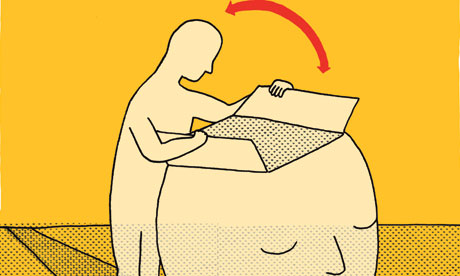 The tool I am going to teach you about through this post is Mindfulness Based Cognitive Therapy (MBCT)
As you may remember from a recent post, mindfulness is the waking up to the present moment. It is the alert attention of the "now" and not dwelling on the past or worrying about the future.
Ronald Siegel's quote helps explain how this can apply to help those struggling with depression or anxiety “Boredom disappears as we awaken to the rich complexity of each moment. Everything becomes alive as our attention moves out of our thoughts about living and toward noticing how it actually feels to walk, stand, sit, or drive”

MBCT- Therapy that helps patients reduce relapse and recurrence of depressive episodes. To help patients come to peace with the moment. To encounter situations with a choice. To meet their stressors with an array of coping mechanisms, and to function more optimally in all environments.
Takeaway:
Using mindfulness to cope with negative experiences
We can use mindfulness even in times of intense distress, by becoming mindful of the actual experience as an objective observer, using mindful breathing and concentrating attention on breathing with the body's experience, listening to the distressing thoughts mindfully, recognizing them as merely thoughts, breathing with them, allowing them to happen without believing them or arguing with them. If thoughts are too strong or loud, then we can move attention to our breath, the body, or to sounds in the environment.
We can use kindness and compassion for ourselves and for the elements of the body and mind's experience. "May I be filled with peace and ease. May I be safe" (Brantley 2003).

Have a wonderful day
-Mitch S.
Contact me with questions, concerns, or any thoughts you have
Mitchellsnyder9@gmail.com
@Wellness_Gems
Other Sources to Help Those in Need
http://www.mbct.com/
http://www.getselfhelp.co.uk/mindfulness.htm **my personal favorite**
http://en.wikipedia.org/wiki/Mindfulness-based_cognitive_therapy
http://en.wikipedia.org/wiki/Mindfulness-based_stress_reduction

No comments:
Post a Comment